
Bangladesh–India Trafficking Corridor: A Deep Dive into Networks, Economics, and Human Impact
Introduction: Disappearances and the Hidden Crisis
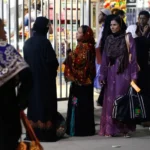
Across Bangladesh’s rural and marginal towns, adolescent girls and young women are regularly lured or coerced into trafficking networks stretching across the border into India. The pattern is heartbreakingly familiar: a daughter leaves home for school or a promising job, then days of silence follow. Families eventually receive news that their loved one is missing or trapped in a red-light district in India. Financial hardship, stigma, and a sense of irreparable loss become the new normal for these families, while recruiters and agents disappear without a trace.
The Routes, Data, and Context: How the Networks Operate
National and international reports consistently identify the Bangladesh–India corridor as one of South Asia’s most entrenched pathways for sex trafficking and irregular migration (UNODC, 2024; IOM, 2025). Studies show women and girls on this route are three times more likely to experience violence and exploitation than males (UNODC, 2024). The routes are far from linear—victims are shuttled through Benapole, Sylhet, or lesser-known corridors, using combinations of bus, train, and boat to evade detection (BRAC, 2024). Hotspots include Jessore/Benapole, Burimari, the Dinhata–Siliguri corridor, and coastal points near the Bay of Bengal.
Why Women and Girls? Demand, Supply, and Economic Drivers
Trafficking is fueled by economic desperation and demand. Indian red-light districts, the informal labor market, and exploitative entertainment sectors create an ongoing demand for girls and women (UNODC, 2024). In rural Bangladesh, poverty and low investment in girls’ education make adolescents especially vulnerable to false promises of jobs or marriage (BRAC, 2024). UNODC data confirms women and children remain at highest risk for sexual exploitation in the region.
Introduction
Across Bangladesh’s rural villages and small towns, adolescent girls and young women are increasingly lured or coerced into trafficking networks operating between Bangladesh and India (UNODC, 2024). All too often, families report sudden disappearances, halted remittances, or unfamiliar “job providers” appearing in their community (BRAC, 2024). Traffickers work through a sophisticated chain of recruiters, agents, and local syndicates, utilising technology—especially Facebook and WhatsApp—to target and groom victims (IOM, 2025).
Recent international and national reports confirm that South Asia’s women and children remain among the most vulnerable to bonded and sex trafficking, with the Bangladesh–India corridor identified as a persistent hotspot (Amnesty International, 2025). This report examines the trafficking networks, the flow of money, and the social and psychological consequences—while mapping at-risk districts and offering actionable, evidence-based recommendations for ensuring real security for girls in Bangladesh.