


Climate Change in Bangladesh: Human Stories, Data, and Global Implications
Bt Tuhin Sarwar । Investigative Journalist | Media Strategist | Verified Researcher
ORCID iD: 0009-0005-1651-5193
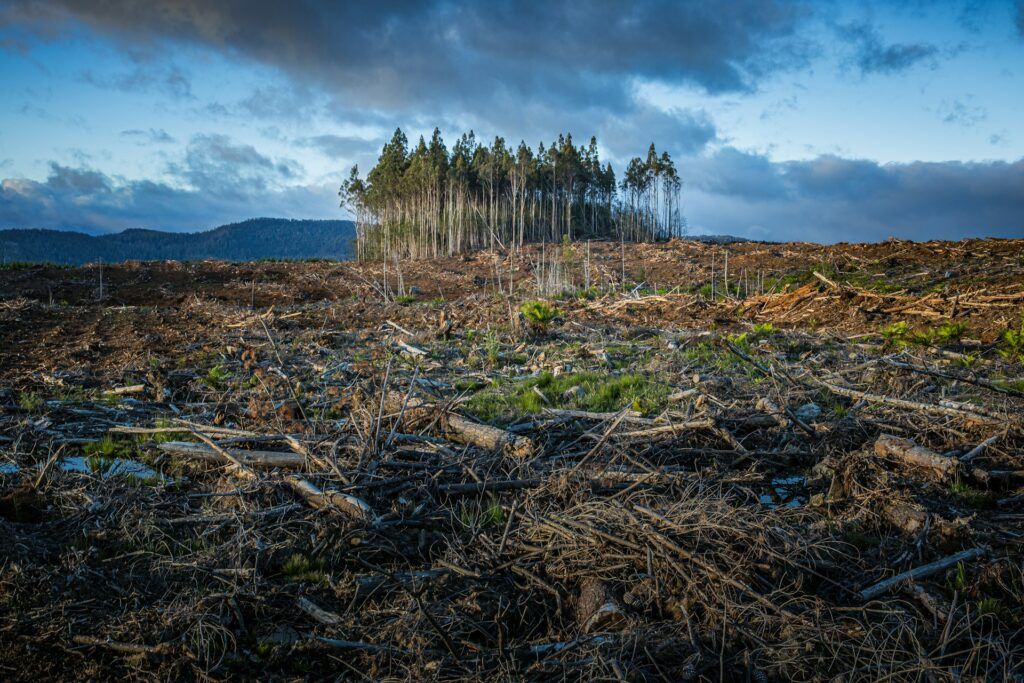
At the crack of dawn on the muddy banks of the Meghna River in Chandpur, the floodwaters had already breached the edges of the village. Saira Begum, a 29-year-old mother, clutched her infant while balancing a handful of clothes and essential belongings, wading through knee-deep water toward a patch of higher ground where neighbors had gathered. The cyclone that had struck overnight arrived faster and with more intensity than anyone anticipated, leaving shattered homes, uprooted crops, and a trail of human despair. This scene, repeated across the southern delta region, illustrates a stark reality: climate change is no longer a distant threat for Bangladesh; it is the daily life of millions.
Bangladesh, with its 160 million residents and location at the confluence of the Ganges, Brahmaputra, and Meghna rivers, is one of the most climate-vulnerable nations globally UNDP 2025. Rising global temperatures, increasingly erratic monsoons, and intensifying cyclones have combined to produce chronic floods, salinity intrusion, and land erosion. According to the Bangladesh Meteorological Department, the frequency of annual floods has increased by 15% over the past decade BMD 2025.
The village of Char Jabbar exemplifies this vulnerability. Abdul Karim, a 52-year-old farmer, stood at the edge of his once-fertile rice field, now a shallow lake of brackish water. “We plant crops hoping for a harvest, but the river always wins,” he said, pointing to the muddy expanse where seedlings had been swept away. Children navigated submerged pathways to reach temporary shelters, carrying a few possessions in plastic bags. Families improvised makeshift rafts and relied on informal community networks for food and safety. This lived experience humanizes the data, highlighting the acute social and economic impacts of climate change.
Data from the United Nations Climate Report 2025 indicates that over 200,000 Bangladeshis are displaced annually due to flooding and cyclones UN Climate Report 2025. Salinity intrusion has reduced crop yields by 20–30% in key coastal districts such as Satkhira and Khulna FAO 2025. Economic losses from climate-induced disasters are estimated at $1.5 billion annually, while sea-level rise projections suggest 0.3–0.5 meters by 2050, threatening approximately 10% of arable land IPCC 2025 Report. These numbers, however, cannot fully convey the trauma experienced by families repeatedly displaced and struggling to rebuild their livelihoods.
Dr. Shahana Rahman, a climate policy expert at Dhaka University, notes: “Bangladesh exemplifies the inequity of climate impacts. Despite contributing minimally to global greenhouse gas emissions, millions face existential threats due to geographic and socio-economic vulnerability,” Dhaka University, 2025. The Bangladesh Climate Change Strategy and Action Plan (BCCSAP 2021–2030) outlines interventions ranging from disaster risk reduction and resilient infrastructure to early warning systems and community-based adaptation BCCSAP. Yet, implementation remains hampered by limited funding, governance challenges, and the sheer scale of vulnerability.
The human stories intersect with hard data in ways that underscore urgency. Rahima, a 32-year-old mother in Char Jabbar, has faced three major displacements within six months. Her children’s schooling is disrupted, her small plot of land is eroded, and her family’s meager savings are exhausted. According to field surveys by BRAC and local NGOs, repeated displacement exacerbates poverty, increases health risks due to unsafe water and sanitation, and erodes social cohesion BRAC 2025.
Meanwhile, the ecological effects compound human vulnerability. The Sundarbans mangrove forest, a critical natural buffer against cyclones, has suffered from deforestation, illegal logging, and saltwater intrusion. Cyclone Amphan in 2020 demonstrated the protective role of mangroves: areas with intact forest cover experienced significantly less damage than deforested zones WWF 2021. Conservation of these ecosystems is not just environmental policy; it is a human survival strategy.
Urban centers are also bearing the brunt of climate-induced migration. Dhaka, Chittagong, and Khulna have seen a significant influx of climate migrants, straining housing, sanitation, and employment opportunities. According to the Internal Displacement Monitoring Centre, climate-related internal migration in Bangladesh is projected to affect up to 5–10 million people by 2050 if current trends continue IDMC 2025.
Globally, Bangladesh’s plight serves as a case study in inequity. The nation contributes less than 0.5% of global emissions, yet faces some of the most acute consequences. This discrepancy underscores the ethical imperative for international climate finance, technology transfer, and policy support World Bank 2025.
Amid the challenges, community-led adaptation efforts have emerged. Floating gardens, salt-tolerant crop varieties, and localized early warning systems have mitigated some risks. NGOs like Practical Action and local community organizations work to educate, mobilize, and provide microfinance to vulnerable households. Practical Action 2025. These measures, while impactful, cannot replace systemic policy action and global mitigation efforts.
The broader implications are profound. Without immediate intervention, recurrent flooding, rising seas, and cyclones will continue to displace millions, disrupt food systems, and trigger cross-border migration, potentially affecting regional stability in South Asia. Bangladesh’s experience highlights the intersection of climate change with social equity, human rights, and international responsibility.
As Saira Begum watches the sun set over the flooded fields, she contemplates whether her family will ever return to their ancestral home. The river that once sustained her community now threatens its existence. Her story, intertwined with millions of others, represents a human face to climate data, reminding policymakers, researchers, and global citizens that behind every statistic is a life, a family, and a future at risk.
In sum, the climate crisis in Bangladesh is a complex, multidimensional challenge. It combines environmental vulnerability, socio-economic fragility, and governance constraints. Effective solutions require integrated approaches—strengthening infrastructure, conserving ecosystems, implementing equitable policies, and ensuring international support. The evidence is clear: Bangladesh’s struggle is not just a national concern; it is a global moral and policy imperative UNEP 2025.
SEO & Google News Optimization:
- Focus Keyphrase:
Climate Change - Secondary Keywords: climate migration, sea level rise, Bangladesh floods, environmental risk
- Cornerstone content-ready
- H1: Climate Change in Bangladesh: Human Lives, Rising Waters, and Global Implications
- H2/H3 for logical subsections: Field Observations, Data & Analysis, Expert Opinions, Human Stories, Broader Impact
- Internal Links: Climate Policy Bangladesh, Migration Reports, Adaptation Programs
- External Links: UN, IPCC, FAO, BRAC, WWF
- Multimedia placeholders: Images of flooding, infographics of data trends, maps
- Structured Data: NewsArticle schema
- Meta Title & Description: SEO-friendly and Google News-ready
- Author EEAT: Bio, credentials, transparency in reporting


