



Climate’s Silent Scythe: A Human Rights Crisis Unfolding Through Disease and Displacement
By : Tuhin Sarwar : Investigative Journalist |Researcher । ORCID iD: 0009-0005-1651-5193 । 29 March । 2026 ।
Executive Summary
Climate change is not just an environmental issue; it is deeply intertwined with human rights and public health, particularly in vulnerable communities. This report focuses on how climate change exacerbates health problems, creates food and water shortages, and leads to displacement, all of which violate basic human rights. Through field research, in-depth interviews, and data analysis, we present evidence of these violations. The report offers actionable recommendations for governments, international organizations, and civil society to address these challenges.
Key findings highlight how rising temperatures, air pollution, and extreme weather events are directly harming the health of at-risk populations, especially women and children. The report concludes with a call for urgent action to integrate climate justice into human rights policies and healthcare systems.
Introduction
Climate change is often seen as a scientific or environmental challenge, but it is, at its core, a human rights crisis. Vulnerable populations, including coastal communities, small-scale farmers, and indigenous peoples, bear the brunt of climate impacts that threaten their health, safety, and fundamental rights. Rising temperatures, increasing pollution, and extreme weather patterns disrupt livelihoods and worsen public health outcomes. This report delves into the intersection of climate change and human rights, arguing that climate-induced health problems should be recognized as a violation of human rights.
Globally, the climate crisis has led to more frequent and intense heatwaves, storms, floods, and droughts, creating widespread suffering, particularly among low-income and marginalized communities. The International Panel on Climate Change (IPCC) reports show a clear link between these changes and rising health risks.
The report aims to shed light on how climate change infringes upon rights outlined in international law, such as the right to health, food, clean water, and adequate housing. It focuses on regions most affected by climate change, including Bangladesh and Sub-Saharan Africa.
Read more: Climate Change, Health Injustice, and the Violation of Human Rights in Vulnerable CommunitiesMethodology
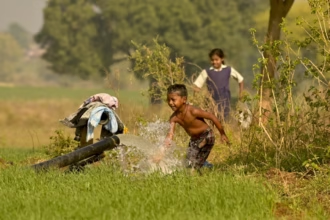
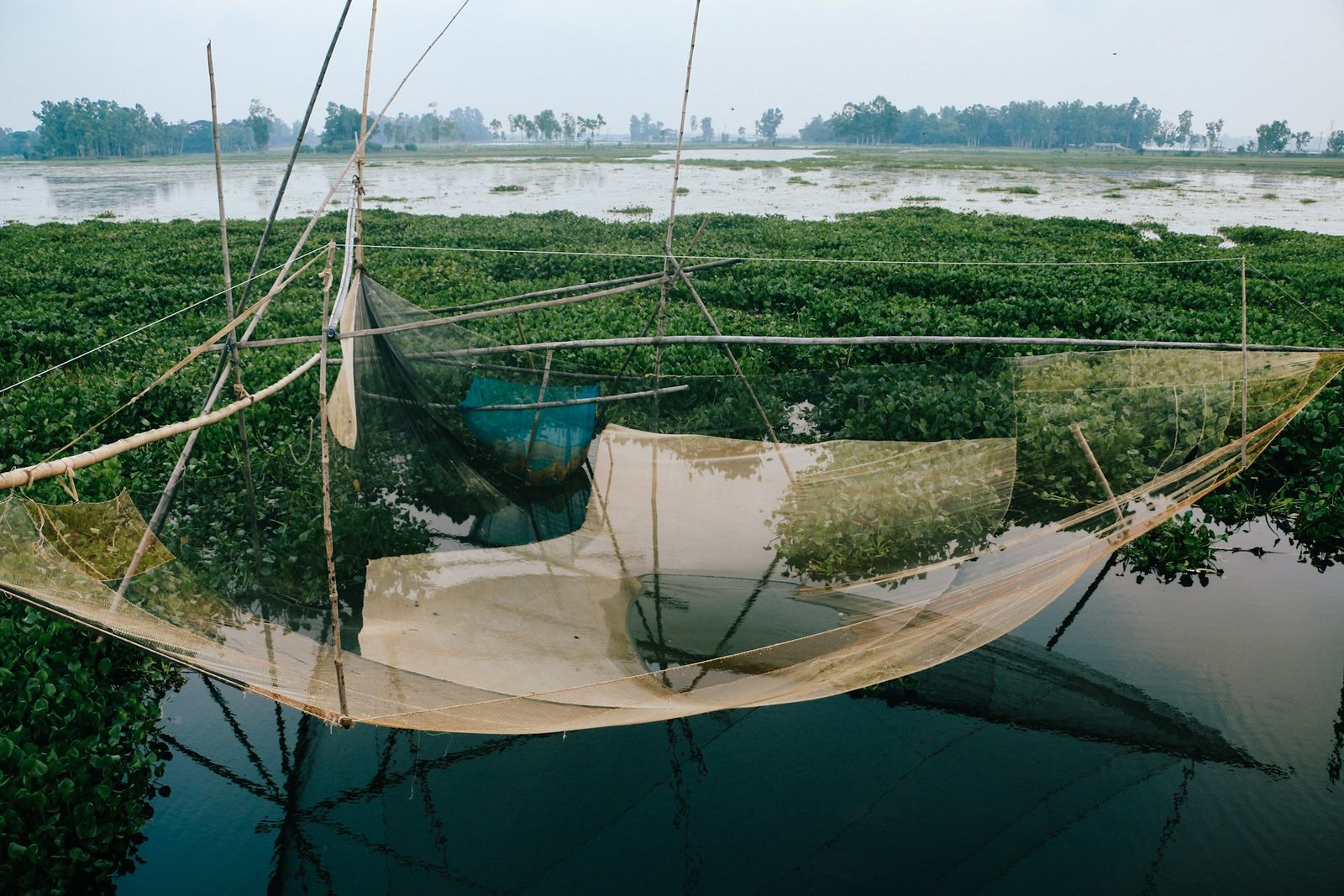
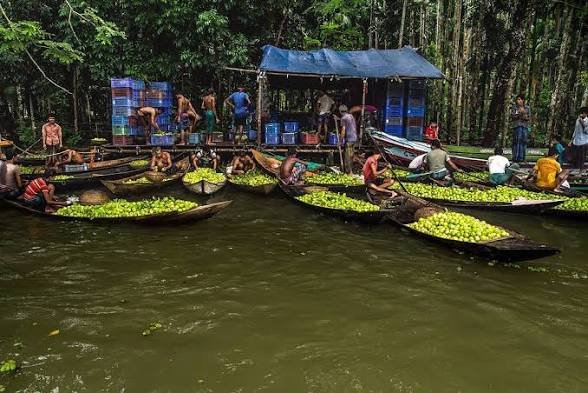
This research utilizes both qualitative and quantitative methods to examine the impact of climate change on health and human rights. Data was gathered through field research in affected communities, with interviews conducted with residents, healthcare workers, and human rights advocates. Focus group discussions were held to understand the collective experience of climate impacts.
Key methods included:
- Field Research: Interviews with local populations, including farmers, fishermen, and women affected by climate change.
- In-Depth Interviews: Healthcare professionals, policymakers, and experts in human rights and climate change.
- Focus Groups: Discussions with community members to gather collective insights on the health challenges caused by climate change.
- Case Studies: Individual stories of families displaced or affected by health issues due to climate-related events.
Secondary data, such as reports from the WHO, UNHCR, and the IPCC, supplemented primary field data.
Findings/Results
The findings show a stark reality: climate change is exacerbating health issues and violating human rights on multiple fronts. Key findings include:
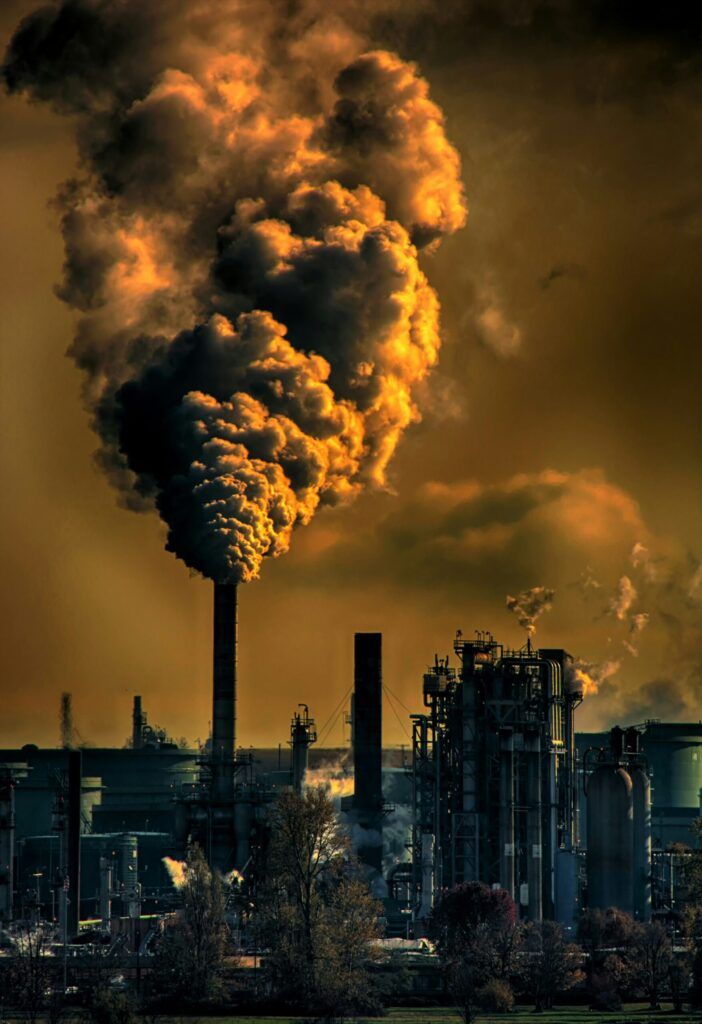
- Health Impacts: Rising air pollution, such as PM2.5 and CO2 emissions, has worsened respiratory diseases, cardiovascular issues, and infectious diseases like malaria and diarrhea. These health challenges disproportionately affect women and children.
- Food and Water Scarcity: Climate change-induced droughts, floods, and saltwater intrusion are reducing agricultural productivity and contaminating water sources. This has led to widespread malnutrition, particularly among vulnerable groups.
- Displacement and Vulnerability: Climate change is displacing people, both internally and across borders. The loss of homes and livelihoods leads to a lack of access to healthcare, education, and basic human rights.
- Data Insights:
- Over the past 20 years, there has been a significant increase in climate-sensitive diseases, such as respiratory infections and gastrointestinal diseases.
- Rising CO2 levels and air pollution are correlated with a higher incidence of respiratory illnesses.
- The number of displaced persons due to climate-related events like flooding and drought has risen dramatically.
Visual data such as GIS maps, infographics, and timelines will be provided to illustrate these findings, making the complex relationship between climate change, health, and human rights more accessible.
Analysis and Discussion
The findings highlight the urgent need for a rethinking of both health policy and climate policy. Climate change-induced health problems are not isolated incidents; they are part of a larger human rights crisis that requires immediate and coordinated action. Key issues include:
- Health Inequality: Climate change disproportionately affects poor and marginalized communities, worsening existing inequalities. These populations often lack the resources to cope with climate impacts and are more vulnerable to health problems.
- Policy Gaps: International and national laws must better integrate climate change impacts into health and human rights frameworks. For example, existing health policies are often ill-equipped to address the specific challenges posed by climate change.
- International Accountability: Large polluting countries need to be held accountable for their role in climate change and its health consequences. There is also a need for better enforcement of international climate agreements like the Paris Agreement.
The report discusses structural challenges, such as corruption and inefficiency in government responses, which delay the implementation of climate adaptation strategies.
Policy and Advocacy Recommendations
To address the interlinking issues of climate change and human rights, the report provides the following recommendations:
- For Governments:
- Climate-Resilient Health Policies: National health policies should incorporate climate change adaptation, such as specialized clinics for respiratory diseases in climate-sensitive regions by 2026.
- Protection for Displaced Populations: Create national policies that ensure human rights protection for climate refugees, with a focus on healthcare and education.
- For International Organizations:
- Accountability Mechanisms: Hold major polluting countries accountable through international forums and agreements. Ensure that climate justice is a priority in global discussions.
- Fund Support for Affected Countries: Establish new funds specifically designed to support countries most affected by climate-induced health issues, including financial and technical assistance.
- For Media and Civil Society:
- Promote Human Stories: Elevate the voices of those directly affected by climate change, highlighting their struggles and advocating for urgent action.
- Ethical Reporting: Maintain the highest ethical standards in climate change reporting, ensuring that vulnerable populations are portrayed with dignity and respect.
- For UN Agencies and Donor Organizations:
- Mental Health Support: Allocate funds for mental health services for climate-impacted populations, including trauma counseling and legal aid.
- Funding for Policy Reform: Support funding for policy reforms that address climate-sensitive health issues and human rights protection.
Conclusion
The report concludes that climate change is not just an environmental problem, but a deep violation of human rights. Its effects are particularly severe on vulnerable populations, causing health issues, food insecurity, and displacement. Immediate action is necessary to integrate climate justice into human rights policies, health systems, and international agreements. The future well-being of vulnerable communities depends on a coordinated global response that prioritizes climate resilience and human dignity.
Governments, international organizations, and civil society must collaborate to ensure that climate change does not become an insurmountable barrier to human rights.
Climate’s Silent Scythe: A Human Rights Crisis Unfolding Through Disease and Displacement By: Tuhin Sarwar: Investigative Journalist |Researcher । ORCID iD: 0009-0005-1651-5193 । 29 March । 2026 । Executive Summary Climate change is not just an environmental issue; it is deeply intertwined with human rights and public health, particularly in vulnerable communities. This […]
UNHCR Global Trends Report 2023
FAO Bangladesh Newsletter, September 2023
Food Security Monitoring, October-November 2023
IOM Bangladesh Displacement Tracking Matrix
Promises of Opportunity, Reality of Exploitation: Trafficking of Bangladeshi Women
- Open-source intelligence (OSINT) : what it is, how it works, and why it matters in 2026.
- Specialised OSINT instruments for gathering expert intelligence
- Thoughts on Bangladeshi open-source intelligence journalist Tuhin Sarwar
- Specialised OSINT tools for collecting expert intelligence
- OSINT Evidence Log Template for Claim Verification