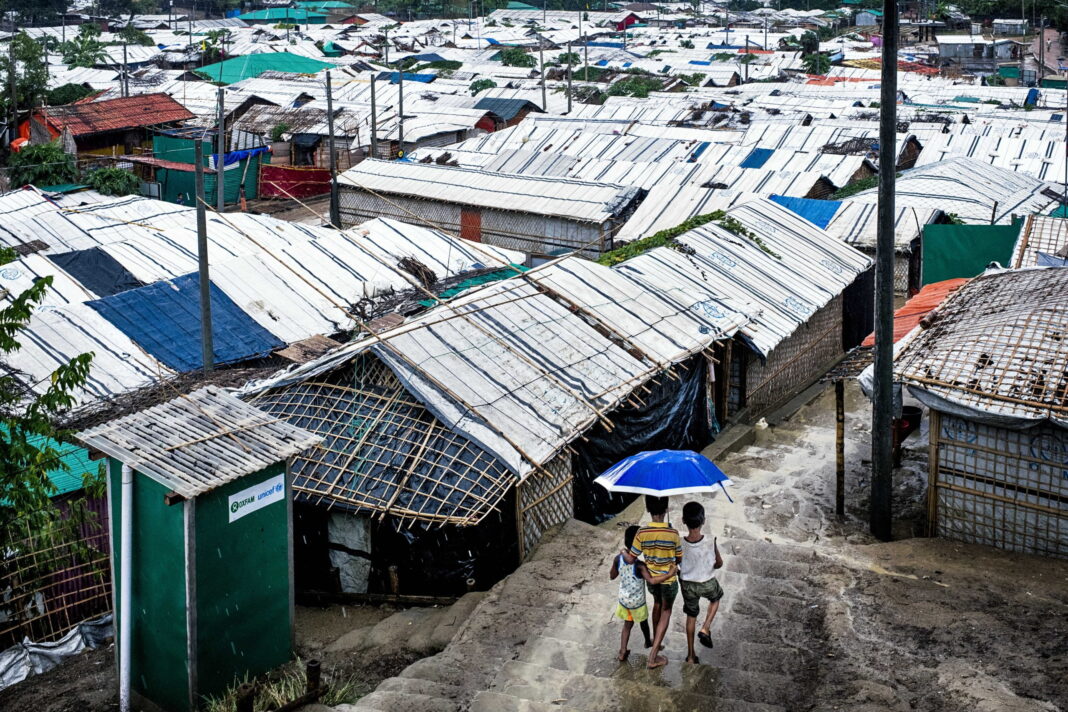
Data-driven investigation reveals hotel-based sexual exploitation, cross-border trafficking routes, digital recruitment patterns, and structural protection failures.
By Tuhin Sarwar · 27 November 2025 · Article Insight
Key Statistics
- Rohingya refugees in Bangladesh: ~1.2 million
- Most targeted age group: 11–17 years
- Estimated girls trafficked annually: 2,500–4,000*
- Major trafficking routes: Cox’s Bazar → Dhaka → India/Malaysia/Gulf
- Primary drivers: poverty, statelessness, no legal work opportunities
*Based on consolidated NGO and agency trend analysis; further verification needed for national-level precision.
Introduction
Across the sprawling lanes of the Cox’s Bazar refugee settlements, families now fear a new form of disappearance. Young Rohingya girls — many just entering adolescence — receive deceptive offers of domestic work, hotel jobs, or marriage abroad. Instead, they are confined in hotels or flats, coerced into sexual labour, or transported across borders using forged documents and clandestine transit houses.

Evidence and Pattern Mapping
Agency reports and NGO field studies show consistent patterns. A 2025 ActionAid survey found that:
- 66% of trafficked or at-risk girls were lured with work or marriage offers.
- 93% reported sexual harassment or worse during exploitation.
| Year | Documented Cases (sampled) | Age Range | Typical Destination |
|---|---|---|---|
| 2019 | 23 | 15–19 | Dhaka hotels; Kolkata |
| 2021 | 96 | 13–18 | Malaysia; Gulf |
| 2025 | 18 (Teknaf rescue) | 13–17 | Malaysia; Middle East |
Evidence shows a networked model: recruitment inside camps → local agent/dalaal → transit house or Dhaka hub → confinement in hotels → onward movement abroad. False documents, coerced consent forms, and mobile money flows (bKash/Nagad) underpin the operations.
Voices, Cases and Field Reporting
Teknaf Rescue (2025)
Police and NGO partners rescued 18 girls aged 13–17 from a Teknaf hotel. Survivor testimonies describe locked rooms, night-time movements, and repeated threats.
“They said we would work and send money home, but the doors were locked. When we cried, they beat us.” — Rescued survivor (name withheld)
Paltan Operation (2019)
A high-profile Dhaka raid uncovered a ring trafficking teenage girls from the camps. Reports highlighted the use of falsified consent documents and transit accommodation to mask movements.
NGO casework reveals a recurring barrier: survivors fear reporting due to risks of detention for “illegal movement,” while families fear social stigma. These combined pressures sustain the cycle of exploitation.
Legal and Protection Gaps
Bangladesh’s anti-trafficking laws and child protection statutes provide a legal framework, while international instruments — including the UN Trafficking Protocol, CRC, and ILO conventions — outline preventive and protective obligations. Yet operational weaknesses persist:
- Under-resourced police units in remote districts
- Limited female investigators
- Weak cross-border coordination with destination countries
- Funding shortfalls reducing camp protection capacity
Reports by Human Rights Watch, Amnesty, UNHCR, and IOM (2023–2024) highlight systemic challenges including limited investigations, inadequate shelters, and instances of local complicity.
Drivers and Network Mechanics
Four primary drivers shape the trafficking ecosystem:
- Economic pressure: declining aid, rising costs, no work rights
- Legal invisibility: lack of identity documents
- Social constraints: stigma, family breakdown, child marriage
- Organised facilitation: agents, hotel staff, transport workers, digital recruiters
Prevention & Policy Recommendations
Camp-Level Priorities
- Increase female protection officers
- Create sealed referral lines between hotels and camp protection units
- Mandatory ID logging for hotel check-ins in high-risk districts
- Expand safe shelters and trauma-informed services
National & Destination-Country Actions
- Strengthen prosecution and witness protection
- Joint documentation verification and anti-fraud operations
- Labour inspections in hotel and domestic sectors
International Coordination
- UNHCR, IOM, ILO joint investigations
- Donor funding tied to protection performance indicators
Investigation Checklist for Journalists and NGOs
- Verify ages/identities with multiple sources
- Archive recruitment messages with metadata
- Trace bKash/Nagad flows
- Use trauma-informed survivor interviews
- Cross-reference police FIRs, NGO case files, UN dashboards
Infographic & Image ALT Text
- Hero image: “Rohingya girls walking at dusk inside Cox’s Bazar refugee camp, silhouettes symbolising vulnerability.”
- Route map: “Trafficking routes from Cox’s Bazar to Dhaka, India, Nepal, Malaysia and Gulf states.”
- Bar chart: “Reported Rohingya female disappearances by year, 2019–2024.”
- Flowchart: “Recruitment → agent → transit house → hotel → overseas destination.”
References & Verified Sources
- UNHCR — Rohingya Refugee Response
- IOM — Migration & Trafficking Reports
- UNODC — Global Trafficking Trends
- ActionAid (2025) — Cox’s Bazar Survey
- Human Rights Watch — Rohingya Protection Failures
- Amnesty International — Bangladesh Reports
- The Business Standard — Investigative Reporting
- Al Jazeera — Trafficking Investigations
Editor’s note: Survivor names withheld for protection. All interviews conducted under ethical protocols. Figures reflect available reports and NGO trend analysis; verification recommended for republication requiring national-level statistics.
By Tuhin Sarwar :